


























Shared hosting is a great place to start. It's affordable, it's simple, and for plenty of WordPress sites it does the job for years. But every now and then, a site quietly outgrows it. The dashboard starts feeling sluggish, plugin updates turn into a gamble, and traffic spikes leave you refreshing the homepage hoping it loads. If any of that sounds familiar, you're not imagining things — and you're not alone.
We've helped a lot of site owners through this exact moment at TPC Hosting, so we wanted to share the real signs we see. Not theoretical stuff. The actual patterns that tell us a site would be happier on managed WordPress hosting with proper isolation, auto-scaling, and automatic updates handled in the background.
Your Site Feels Slow Even Though Nothing Changed
This is the most common one. You didn't add a heavy plugin. You didn't upload a 4K video library. But pages that used to load in under two seconds now take five or six, and the admin area feels like it's wading through treacle. On shared hosting, your site shares CPU and memory with dozens of other accounts on the same server. If one of those neighbours has a bad day — a traffic burst, a runaway script, a backup running at the wrong time — you feel it too.
The tell-tale sign is inconsistency. Your site is fast at 3am and slow at 2pm. Or it's fine on Tuesday and crawling on Thursday. That's almost never your WordPress install. That's resource contention on a shared machine.
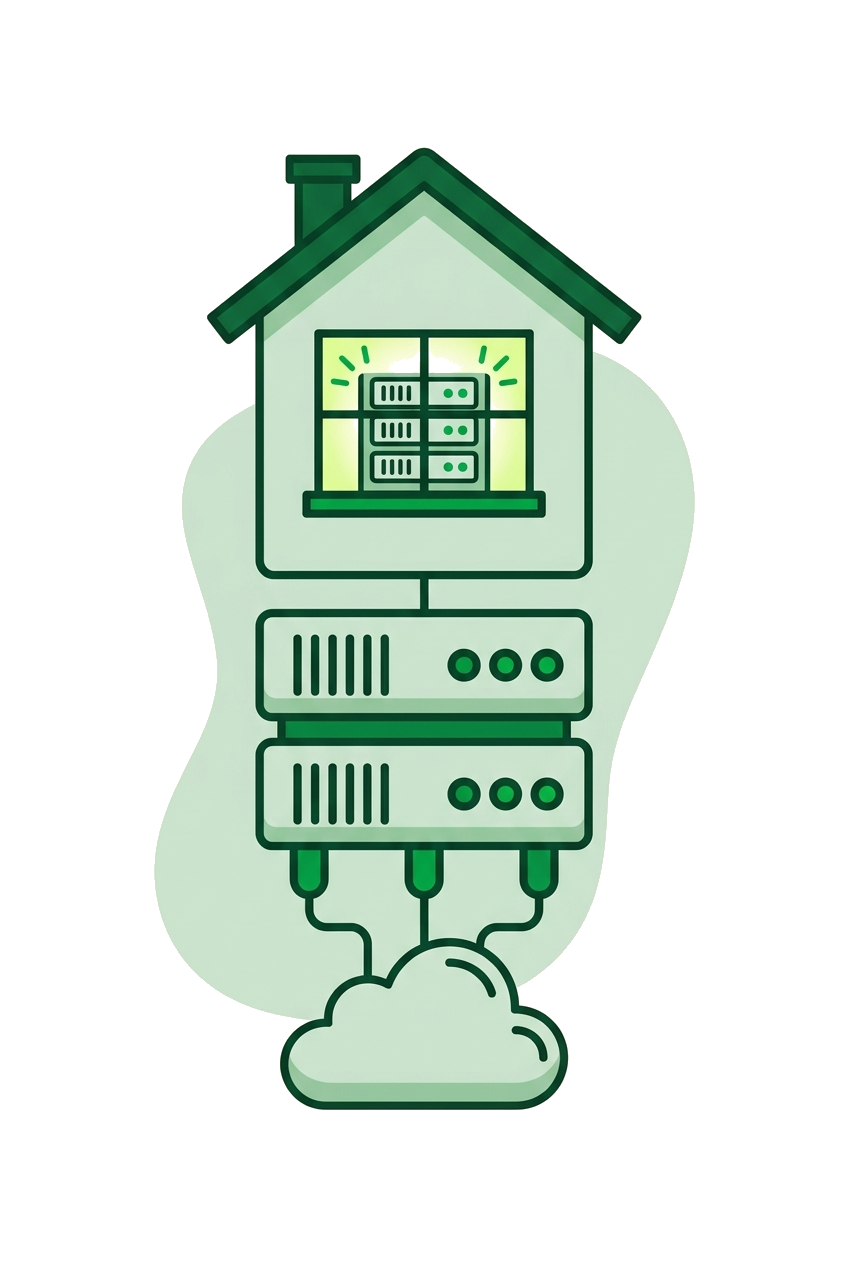
Container-isolated hosting fixes this by giving your site its own ring-fenced slice of CPU and RAM. Nobody else can borrow it. The performance you paid for is the performance you actually get, every hour of every day.
Traffic Spikes Break Things Instead of Growing Your Business
You got featured in a newsletter. Your TikTok took off. A product launched and suddenly there are 800 people on the site instead of the usual 40. On shared hosting, this is when you discover the limits of your plan the hard way — with 503 errors, database connection failures, or a site that simply refuses to load until the rush passes.
The frustrating part is that the spike was the whole point. That's the moment you wanted to convert visitors, capture emails, sell something. Instead you're explaining to friends why the link is down. We've seen small shops lose a full day of sales because their hosting couldn't stretch when it mattered.
Auto-scaling hosting handles this differently. When traffic climbs, more resources are spun up automatically to absorb it, then released when things calm down. You don't get a panicked email from your host. You don't manually upgrade plans at midnight. The site just stays up.
Updates Have Become a Source of Anxiety
Here's a question worth asking yourself honestly: when was the last time you clicked "update all plugins" without flinching? If the answer involves a sharp intake of breath, your hosting setup is working against you, not with you.
On standard shared hosting, updates land in your lap. You're the one who has to remember to do them, test that nothing broke, and roll back if a plugin conflict takes the site down. Most people either update too aggressively (and break things) or avoid it entirely (and end up with security holes). Neither is fun.
Managed WordPress hosting takes this off your plate. Core updates, plugin updates, and security patches are applied automatically, usually with a staging check first so issues are caught before they hit your live site. You stop being the unpaid sysadmin for your own blog. That's a bigger quality-of-life upgrade than people expect until they try it.
You're Spending More Time on Hosting Than on Your Site
This one sneaks up on people. You started a WordPress site to write, sell, teach, or build something. Somewhere along the way, you became the person who debugs caching plugins, configures backups, manages SSL renewals, and Googles error messages at 11pm. If your hosting needs more attention than your actual content, something has shifted in the wrong direction.
The honest threshold we use at TPC Hosting is this: if your site generates revenue, supports a real audience, or represents your professional reputation, the hours you spend wrestling with infrastructure are no longer hobby hours. They're a cost. Managed hosting moves that work to the people who do it full time, and gives you those hours back.
It also means when something does go wrong — and occasionally things do — you've got someone to call who actually knows your stack. Not a generic ticket queue. People who understand WordPress specifically and can fix things instead of suggesting you clear your cache.
When Shared Hosting Is Still The Right Answer
To be fair: not every site needs to move. If you run a personal blog with steady, modest traffic, shared hosting is genuinely fine. If you're just starting out and still figuring out what your site even is, paying for managed hosting early is overkill. We'd rather tell you to stay put than upsell you something you don't need.
The shift makes sense when the cost of downtime, slowness, or manual maintenance is higher than the cost of better hosting. For a side project, that line is high. For a working business, it's surprisingly low.
If you're nodding along to two or three of the signs above, it's probably time. Have a look at managed WordPress hosting from TPC Hosting and see whether the fit feels right. We're happy to talk it through with you before you commit to anything.
FAQ
How do I know if my WordPress slowness is from hosting or from my site itself?
A quick test: check your site's speed at different times of day over a week. If performance varies wildly without you changing anything, it's almost always hosting-side resource contention. If it's consistently slow, the issue is more likely a heavy theme, unoptimised images, or a problematic plugin.
Will moving to managed WordPress hosting cause downtime?
A proper migration shouldn't. At TPC Hosting we copy your site over, test it on a temporary URL, and only switch DNS once everything checks out. Most customers see zero visible downtime, and we handle the technical bits for you.
Do automatic plugin updates ever break sites?
Occasionally, yes — which is why managed hosting typically runs updates through a staging check first and keeps automatic backups. If something does break, rolling back takes minutes rather than the panicked hours it would on a standard shared setup.