




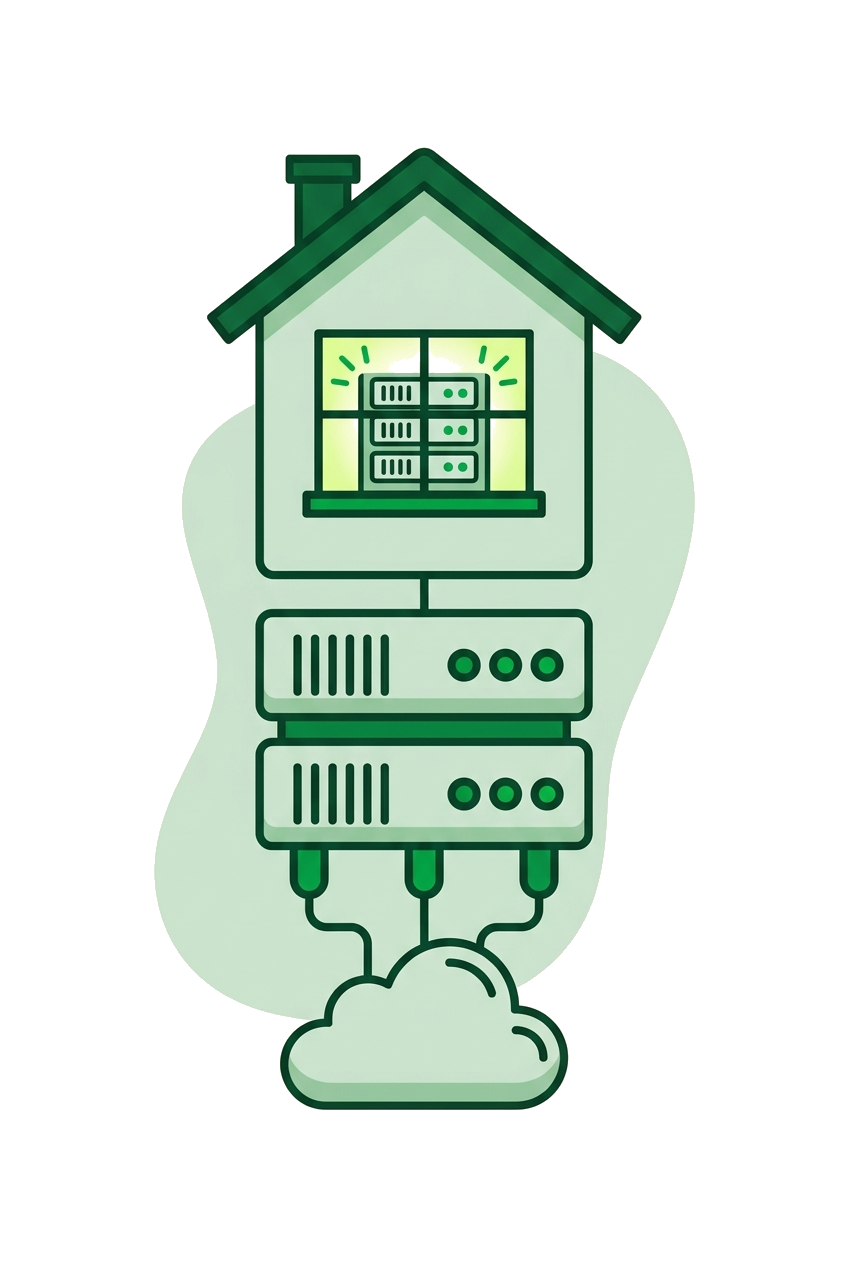























Iată ceva ce merită să știi: serverele bare metal cloud sunt acum adesea mai ieftine și mai rapide de configurat decât achiziționarea propriului hardware. CEO-ul Nutanix a subliniat recent acest lucru, și este un aspect important pentru afacerile în creștere. Vechea strategie de a economisi pentru un server on-premises performant, de a aștepta săptămâni pentru livrare și apoi de a-l supraveghea într-un dulap tehnic? Aceasta este abandonată treptat.
Pentru întreprinderile mici și mijlocii, această schimbare transformă complet discuția despre upgrade. Nu mai ai nevoie de un buget de cheltuieli de capital sau de un termen de șase săptămâni pentru a scala. Poți trece de la un plan shared de 5 $/lună la un server bare metal dedicat în câteva minute. Întrebarea nu este dacă poți face upgrade, ci când ar trebui să o faci. Hai să analizăm în detaliu.
Găzduire shared: de unde ar trebui să înceapă aproape toată lumea
Găzduirea shared este garsoniera internetului. Împărți CPU, RAM și spațiul pe disc cu zeci (uneori sute) de alte site-uri de pe același server. Este ieftină, simplă și, pentru majoritatea proiectelor aflate în faze incipiente, este cu adevărat tot ce ai nevoie. Prețurile variază între 3 și 15 $ pe lună și vei beneficia de un panou de control, e-mail și instalatori cu un singur clic pentru aplicații precum WordPress.
Dezavantajul este că ești la mâna vecinilor tăi. Dacă site-ul altcuiva primește un vârf de trafic sau rulează un script scăpat de sub control, site-ul tău poate încetini și el. De asemenea, nu poți instala software personalizat la nivel de sistem, iar limitele de resurse sunt stricte. Acestea sunt aspecte acceptabile pentru un site de prezentare, un blog mic sau un portofoliu.
Rămâi la găzduirea shared atât timp cât traficul tău este sub aproximativ 10.000–20.000 de vizitatori lunari, site-ul tău se încarcă în mai puțin de două secunde și nu ai nevoie de configurații server personalizate. În momentul în care oricare dintre acestea începe să dea semne de tensiune, este timpul să privești spre soluții mai avansate.
VPS: opțiunea ideală pentru site-urile în creștere
Un server privat virtual (VPS) îți oferă o porțiune garantată dintr-o mașină fizică. Beneficiezi de nuclee CPU, RAM și spațiu de stocare dedicate, pe care nimeni altcineva nu le poate utiliza, plus acces root pentru a instala orice dorești. Prețurile variază de obicei între 20 și 100 $ pe lună, în funcție de specificații — un salt față de shared, dar în continuare foarte accesibil.
Acesta este upgrade-ul pe care îl fac mai întâi majoritatea afacerilor în creștere, și pe bună dreptate. Un VPS gestionează magazine de e-commerce cu inventar real, aplicații SaaS cu utilizatori activi, site-uri WordPress cu trafic intens și numeroase plugin-uri, precum și orice altceva care necesită setări PHP personalizate, o versiune specifică de Node sau o bază de date optimizată pentru volumul tău de lucru. Performanța este previzibilă și poți scala resursele fără a migra serverele.
Ar trebui să iei în considerare trecerea la un VPS atunci când găzduirea shared începe să te limiteze, când timpii de încărcare a paginilor depășesc trei secunde, când operezi un magazin online real sau când trebuie să instalezi software pe care gazda shared nu îl permite. Planurile VPS ale TPC Hosting îți permit să provisionezi în câteva minute și să redimensionezi din mers, astfel încât să nu plătești pentru resurse de care nu ai nevoie încă.
Bare metal: când ai nevoie de întreaga mașină
Găzduirea bare metal înseamnă că închiriezi un server fizic întreg. Fără strat de virtualizare, fără vecini — doar hardware brut dedicat ție. Istoric, aceasta era opțiunea costisitoare, rezervată companiilor enterprise, însă situația economică s-a inversat. Bare metal livrat prin cloud concurează acum direct cu costul achiziționării și întreținerii propriului server — și de cele mai multe ori îl depășește — mai ales când iei în calcul energia electrică, răcirea, piesele de schimb și timpul echipei IT.
Bare metal are sens atunci când rulezi aplicații cu trafic ridicat (gândește-te la sute de mii de vizitatori lunari), procesezi sarcini de lucru intensive precum transcodarea video sau machine learning, gestionezi date sensibile pentru care hardware-ul single-tenant este o cerință de conformitate sau rulezi baze de date care au nevoie de fiecare uncie de performanță I/O a discului. Prețurile încep de obicei în jurul valorii de 100–200 $ pe lună și cresc în funcție de hardware.
Semnalul de upgrade este destul de clar: dacă ai depășit capacitatea unui VPS de nivel înalt și ai nevoie în continuare de mai mult, dacă aplicația ta este limitată de CPU sau I/O mai degrabă decât de memorie, sau dacă echipa de conformitate pune întrebări incomode despre modul de găzduire, bare metal este răspunsul. Și spre deosebire de achiziționarea propriului echipament, poți avea un server provisionat în aceeași zi, nu peste săptămâni.
Comparația de costuri care contează cu adevărat
Prețul afișat reprezintă doar jumătate din poveste. Un plan shared de 5 $ pare ieftin până când pagina de finalizare a comenzii expiră în timpul unei campanii și pierzi vânzări. Un server on-premises de 2.000 $ pare un cost unic până când adaugi electricitatea, răcirea, unitățile de înlocuire și orele pe care le petreci aplicând patch-uri la 23:00. Infrastructura găzduită integrează toate acestea într-o factură lunară previzibilă.
Iată o regulă aproximativă pentru costul total de proprietate pe trei ani: găzduirea shared te va costa 100–500 $, un VPS solid 700–3.500 $, iar bare metal 3.500–10.000 $. Hardware on-premises echivalent? Ușor 8.000–15.000 $ odată ce incluzi costurile ascunse, plus timpul de așteptare și riscul de a cheltui prea mult pe capacitate pe care nu o vei folosi niciodată.
Decizia inteligentă este să potrivești găzduirea cu etapa ta actuală și să faci upgrade atunci când apar semnalele — nu înainte. La TPC Hosting, facem aceste upgrade-uri cu adevărat fără bătăi de cap, cu migrări gestionate pentru tine și fără angajamente pe termen lung.
Întrebări frecvente
Mai jos sunt câteva dintre întrebările pe care le auzim cel mai des de la afacerile care se gândesc la următorul lor pas.
FAQ
Cum știu când găzduirea shared nu mai este suficientă?
Urmărește timpii lenți de încărcare a paginilor (peste trei secunde), întreruperile frecvente în perioadele de vârf de trafic, e-mailurile de la furnizorul tău de hosting despre limitele de resurse sau nevoia de a instala software personalizat. Oricare dintre acestea înseamnă că este timpul să te uiți la un VPS.
Pot trece direct de la shared la bare metal sau trebuie să trec prin VPS?
Poți trece direct la bare metal dacă volumul tău de lucru o impune, dar majoritatea afacerilor în creștere obțin un raport cost-performanță mai bun trecând mai întâi la VPS și făcând upgrade la bare metal doar atunci când l-au depășit cu adevărat.
Găzduirea bare metal este cu adevărat mai ieftină decât achiziționarea propriului server?
În majoritatea cazurilor, da. Odată ce incluzi energia electrică, răcirea, înlocuirea hardware-ului și timpul echipei IT, bare metal găzduit bate de obicei on-premises pe TCO pe trei ani — și poți provisiona în câteva ore în loc să aștepți săptămâni pentru livrare.